
An individual’s marital paradigm is a cumulative product of developmental experiences and environmental inputs. The way a person perceives marriage, relationships, commitment, and family life is rarely formed in isolation. Instead, these perspectives gradually develop over time through a combination of childhood experiences, personal interactions, cultural values, social expectations, education, and the environments in which they grow and live.
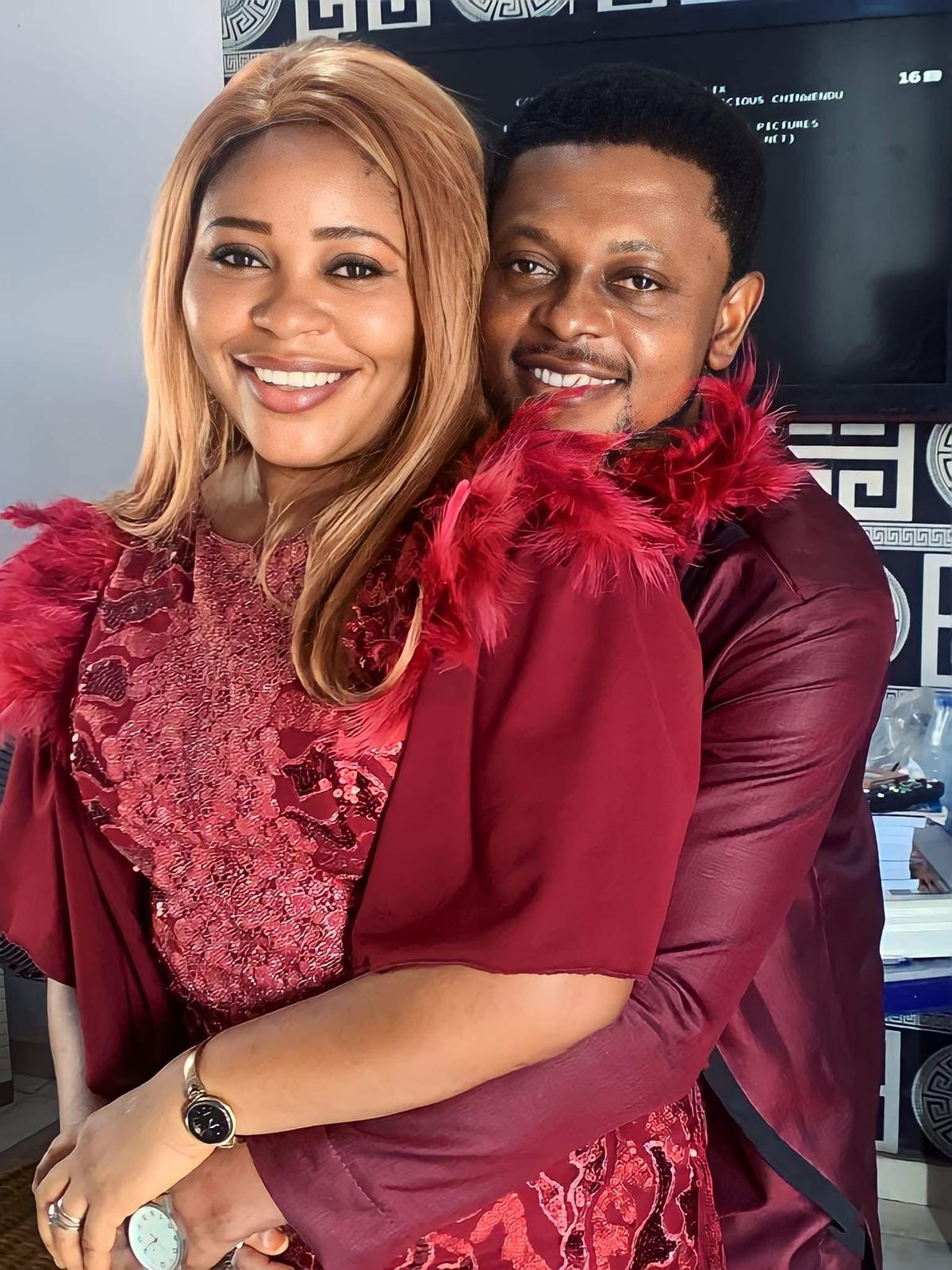
From an early age, people observe the relationships around them, particularly those within their own families. These observations, together with experiences at school, in friendships, religious communities, workplaces, and society as a whole, contribute to shaping their beliefs and expectations about marriage. As individuals encounter different life experiences, their understanding of what a healthy and successful marriage looks like may continue to evolve.
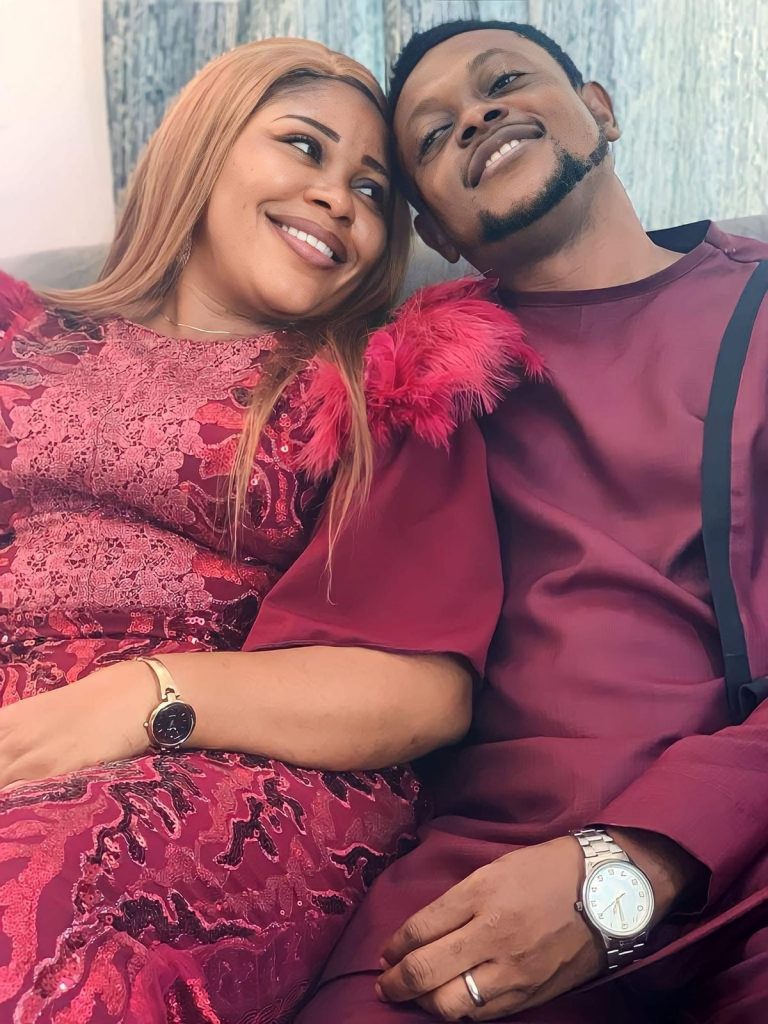
In fact, this evolution means that no two people approach marriage in the same way. For some, a positive example set by their parents forms a stable foundation. For others, early exposure to conflict or emotional absence creates uncertainty. At the same time, broader cultural narratives what we see in stories, media, or historical traditions also shape how we imagine love and partnership.
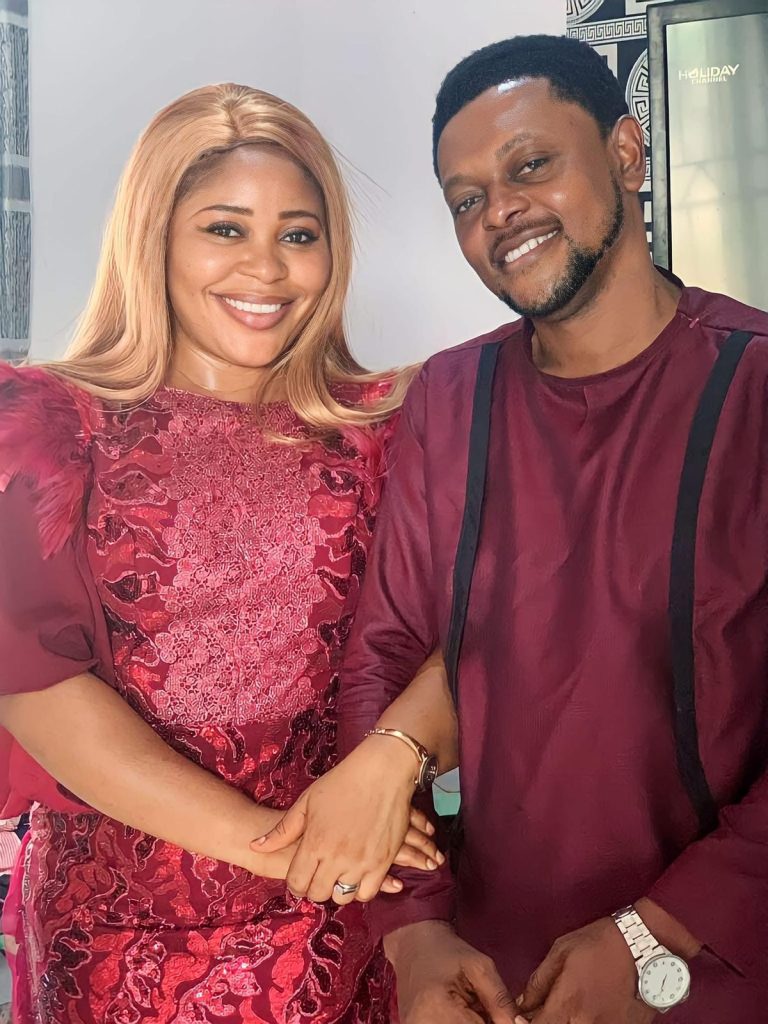
Personal milestones also play a huge role. A first serious relationship, a divorce, or a period of being on one’s own can all be turning points. These moments prompt reflection and can lead to a more refined, flexible understanding of what a good marriage is. In this way, a person’s view of marriage is never fixed; it’s a lifelong journey, constantly adapting as we grow, reflect, and respond to new challenges. Thus, marriage is not just a destination; it is an ever-evolving part of who we are, shaped by every step we take along the way.


